
The Foster Group's Environmental Initiatives
Initiatives at our headquarters building
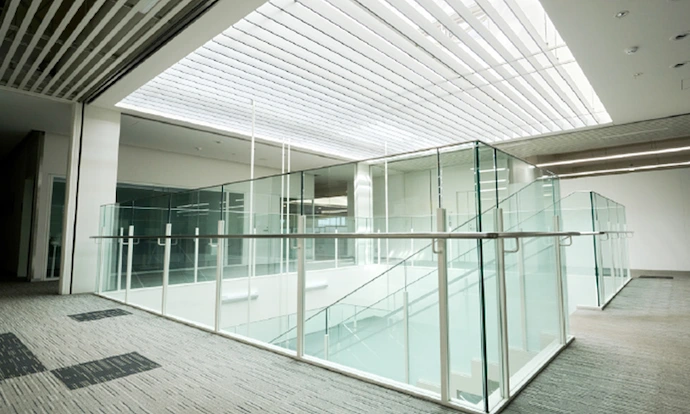
Our headquarters employs environmental load reduction technologies such as lighting control by daytime sunlight, air conditioning by outside air, ice thermal storage air conditioning system, and double-skin facade. Electricity consumption is controlled further by limiting maximum power consumption during the day, promoting Cool Biz and Warm Biz campaigns, turning off all the lights in the building for lunch breaks, and promoting the replacement of all of the lights in building with LEDs. In October 2024, we began to use electricity certified as coming from renewable energy power plants* and all of the electricity consumed at the headquarters now comes from renewable energy sources.
- *Electricity using Non-Fossil Certificates (with renewable energy specified as the sources) which is 100% virtually from renewable sources of energy and whose actual CO2 emission factor is zero
Introduction of electronic waste manifests in Japan
The waste manifest (industrial waste control form) system enables generators of industrial waste to track and manage the process of industrial waste from its generation to the final disposal. The electronic version of this system is called an electronic manifest. The introduction of this system streamlines administrative processes, ensures data transparency, and prevents illegal dumping, allowing waste generators to fulfill their responsibilities. Centralized management also leads to the strengthening of legal compliance. At present, we have introduced the electronic manifest for regularly generated industrial waste. We continue to use it, aiming to introduce electronic manifest for 100% of waste, including irregularly generated waste.
Effective utilization of water resources
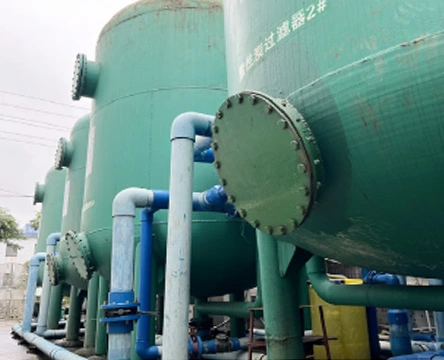
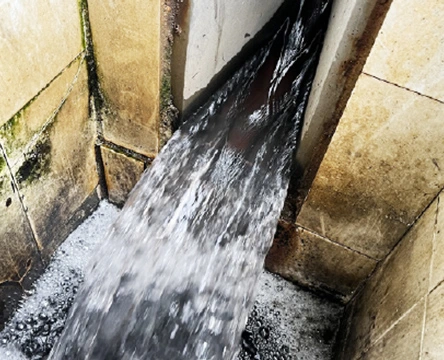
One of our strengths is the in-house production of diaphragms, which are the most important parts of speakers in determining the sound quality. However, the papermaking process is a necessary part of manufacturing the paper parts used in these diaphragms. This process uses a large amount of water as paper is made from raw materials dissolved in water. At the headquarters and the Panyu Factory (China), we have been studying the reuse of discharged water for many years. As of March 31, 2025, 60% of the water used in the papermaking process is recycled water, allowing us to effectively utilize this resource.
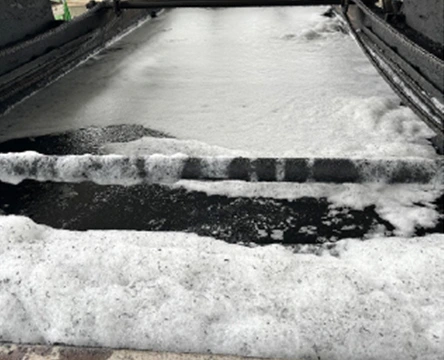
We have also been considering the recycling of the paper raw materials collected during the wastewater recycling process. We are using them for paper ring subcomponents and other purposes, enabling us to recycle 6% of the waste materials. Moving forward, we will take inspiration from the reuse of waste materials in industries such as clothing to incorporate waste materials into our diaphragms and other components, further reducing waste.
Reduction of GHG emissions (Scope 1 & 2)
We implement various initiatives to efficiently use limited resources in accordance with local regulations and the requests of customers, as well as the Foster Group Environmental Policy and the CO2 Reduction Action Program. We have all employees share the targets and drive reduction activities by establishing a cooperative framework, such as the sharing of best practices between bases.
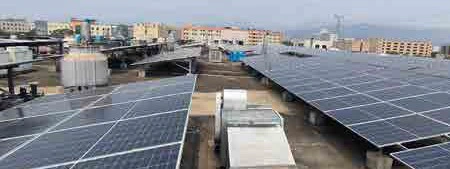
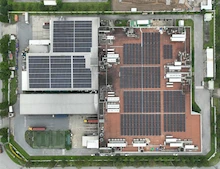
We promote the use of renewable energy as an initiative to address climate change. In 2022, we installed solar panels at Heyuan Factory in China and at Bac Ninh Factory in Vietnam. At offices, we use electricity from renewable energy sources and purchase green energy certificates to reduce CO2 emissions. We will continue to expand the introduction of renewable energy.

Reduction of GHG emissions activity (Scope 3)
We have set a target of reducing Scope 3 emissions by 15% from the 2018 base year by 2030 as one of our mid-term environmental goals, and are taking actions to achieve it.
To reduce the category 1 emissions (from purchased goods and services), which has the greatest percentage of Scope 3 emissions, we began to conduct an energy consumption survey with cooperation from our suppliers in FY2023. We continued this survey in FY2024, and based on its results, we held meetings with our suppliers and conducted fact finding. We also hold sustainable procurement briefings for our suppliers, explaining the latest trends and our future policies on sustainability and our CO2 reduction targets, while requesting them to cooperate in the energy consumption survey.
Regarding category 4 emissions (from upstream transportation and distribution), we introduced GHG emission calculation and reduction support services from a logistics specialist company in FY2024. By using data from the current logistics control system and increasing the frequency of calculation, we can now efficiently visualize specific key points for the reduction and changing points. Moving forward, we will take measures against the points to make improvements.